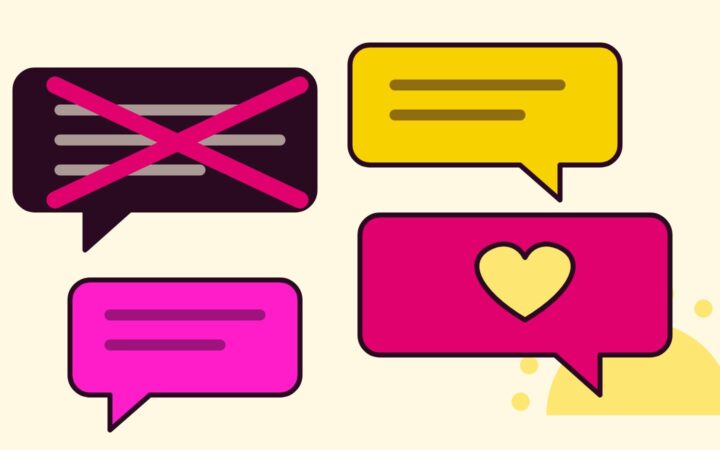

There is a sentence many of us heard before we could even read: “عيب”, shameful. It was said about how we sat, how loudly we laughed, what we wore, what we asked. Nobody explained the rule. The word was enough.

Unlearning starts with noticing those words. Not to blame the people who said them (they learned them too) but to ask a simple question: who decided this, and who does it serve?
Learning is not neutral
We learn how to be a woman long before anyone uses the word “gender”. We learn it from the way meals are served, from who is allowed to go out after dark, from who is praised for being clever and who for being quiet. By the time we are adults, these lessons feel like our own personality.
That is why changing them is hard. It is not like correcting a wrong date in a history book. It can feel like losing a piece of yourself, or betraying people you love.
Unlearning is not forgetting where we come from. It is choosing what we carry forward.
Three small practices
- Catch the sentence. When you hear yourself say “a girl shouldn’t…”, pause and finish the thought: why not?
- Find the source. Is this rule from religion, from law, from family habit, or from fear of gossip? Often it is the last one.
- Talk about it. Ideas lose their power when they are said out loud and examined together. That is what our learning circles are for.
None of this happens in a day. Unlearning is a practice, like a language: the more you use it, the more natural it becomes. We started Unlearn so nobody has to practise alone.